.webp)








Eternal Return blends survival crafting with character-based combat, asking players to gather materials, assemble equipment, and outplay opponents across the island of Lumia. While the game appears to reward mechanical skill, positioning, and team coordination, experienced players recognize a more decisive factor: the timing of item completion power spikes.
Unlike traditional MOBAs where gold accumulation is gradual and predictable, Eternal Return ties power directly to crafting completion. The moment a player finishes a weapon or key piece of gear, their combat effectiveness jumps sharply. These spikes occur early—often within the first few minutes—and create windows where one player is dramatically stronger than another.
This article focuses on a specific issue: how early item completion windows disproportionately determine combat outcomes, reducing mid-fight skill expression and amplifying pre-fight advantages. We will explore how this system develops over time, how it shapes player behavior, and why it remains one of the most influential yet under-discussed structural dynamics in Eternal Return.
1. The Nature of Craft-Based Power Spikes
In Eternal Return, power is not linear. It is tied to crafting milestones.
A player with incomplete components is significantly weaker than a player who has finished even a single core item—especially a weapon.
H3: Discrete Power Jumps
Instead of gradual stat increases, players experience:
- Sudden attack power boosts
- Access to enhanced abilities
- Improved survivability thresholds
H4: Timing Over Quantity
A player with fewer total items but one completed weapon can outperform a player with multiple incomplete pieces.
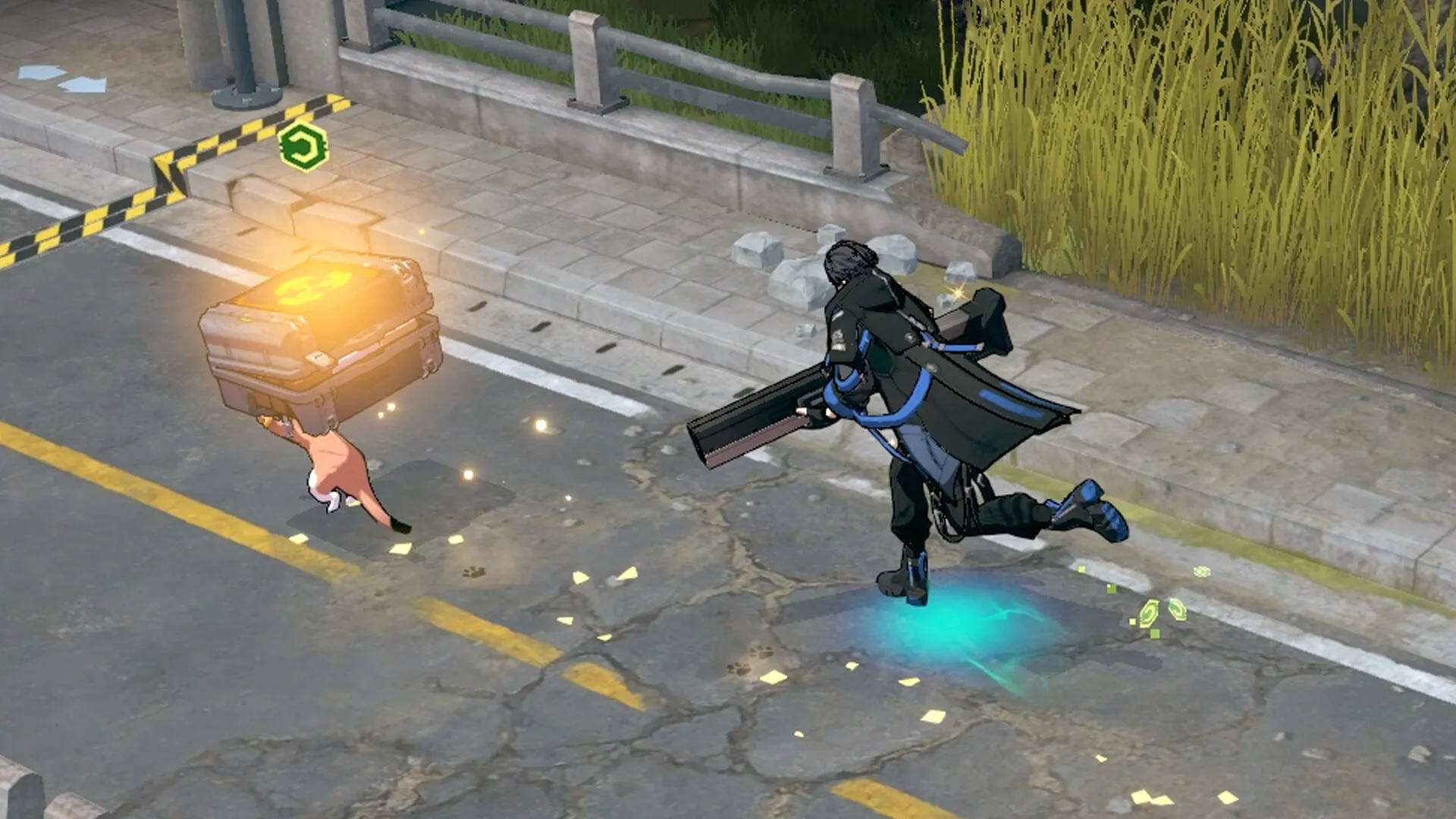
Power is defined by completion timing, not accumulation.
2. The First Spike: Weapon Completion
The earliest and most critical spike occurs when a player completes their primary weapon.
H3: Weapon as Identity
Weapons define:
- Damage output
- Skill scaling
- Combat tempo
H4: Immediate Combat Shift
Before weapon completion:
- Trades are risky
- Damage is inconsistent
After completion:
- Burst potential increases
- Trades become favorable
- Kill pressure emerges
This creates a sharp divide between “pre-weapon” and “post-weapon” states.
3. Early Encounters: Unequal Fights by Default
Because players complete items at different times, early encounters are rarely balanced.
H3: Hidden Advantage
Two players may meet in the same area, but:
- One has completed a weapon
- The other is missing one component
H4: Outcome Predictability
In most cases:
- The completed player wins
- The incomplete player must retreat or die
Mechanical skill has limited influence in these scenarios.
4. Route Efficiency as Power Timing
Item completion depends heavily on routing efficiency.
H3: Faster Routes, Faster Power
Players who optimize routes:
- Reach materials sooner
- Avoid unnecessary fights
- Complete items earlier
H4: Compounding Advantage
Early completion leads to:
- Winning first fights
- Gaining extra loot
- Snowballing into additional items
Timing advantage multiplies itself.
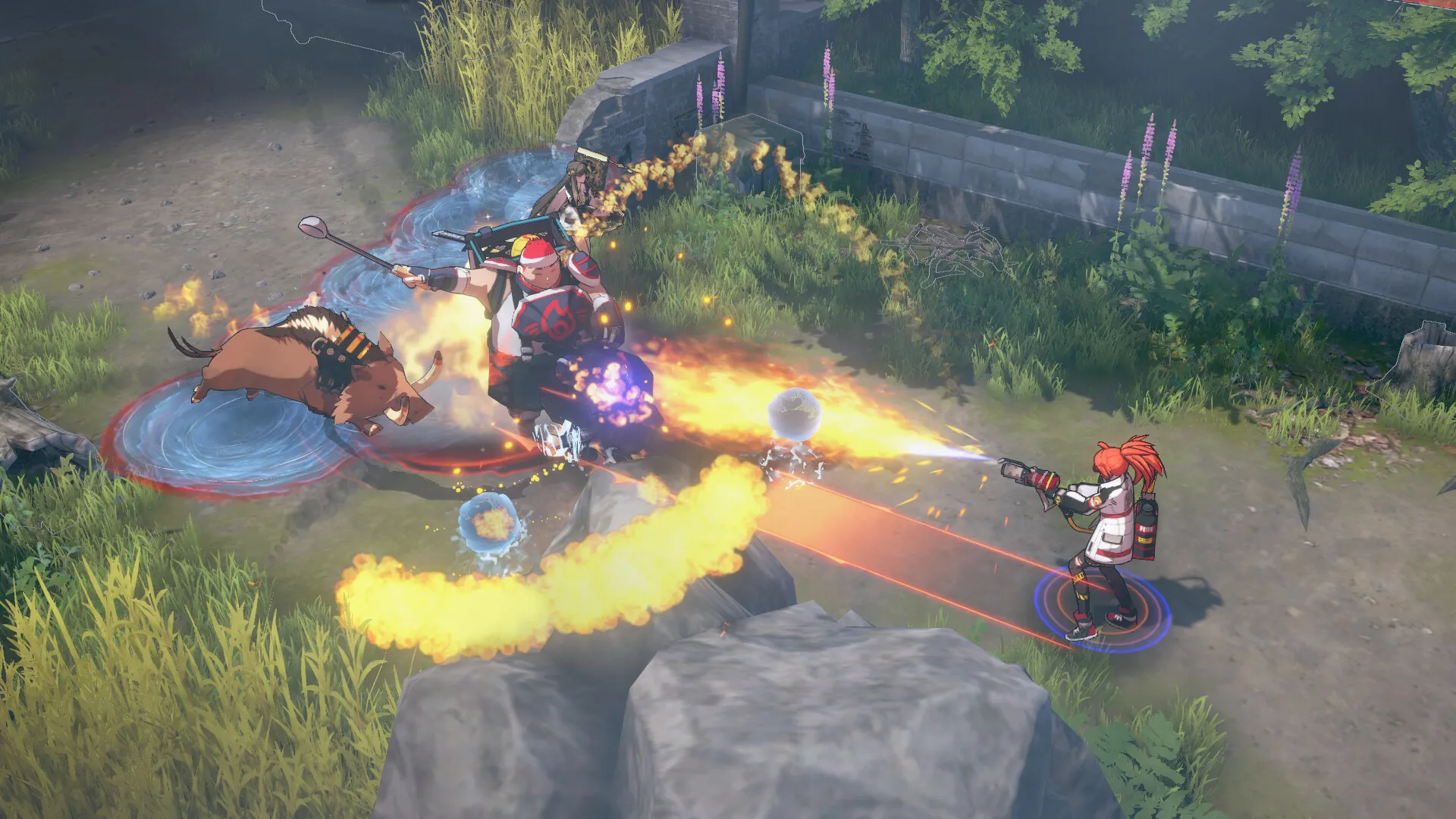
5. The Snowball Effect
Once a player wins an early fight due to item timing, the gap widens rapidly.
H3: Resource Acceleration
Victories provide:
- Extra materials
- Healing items
- Experience
H4: Irreversible Momentum
The losing player cannot easily recover:
- They lose time
- They lose map control
- They fall behind in future item completion
The system reinforces early advantages.
6. Armor and Secondary Item Spikes
While weapons define the first spike, armor pieces create additional thresholds.
H3: Defensive Breakpoints
Completing armor items:
- Reduces incoming damage significantly
- Enables longer fights
- Counters burst strategies
H4: Staggered Power Windows
Players who complete armor earlier gain:
- Survivability advantage
- Confidence in engagements
These staggered spikes create multiple layers of imbalance.
7. Player Behavior Under Timing Pressure
Players adapt quickly to the importance of power spikes.
H3: Avoidance Strategy
Before completing items, players often:
- Avoid combat entirely
- Prioritize farming over fighting
- Retreat from contested zones
H4: List – Common Early-Game Behaviors
- Ignoring enemy presence
- Rushing key materials
- Skipping optional loot
- Following strict routes
The early game becomes a race, not a battle.
8. Reduced Skill Expression in Early Fights
Because item completion determines power so strongly, early fights lack depth.
H3: Limited Outplay Potential
Even skilled players struggle to win against:
- Higher damage thresholds
- Faster cooldown cycles
- Better scaling abilities
H4: Pre-Fight Determines Outcome
The fight is often decided before it begins.
Execution matters less than preparation timing.

9. Mid-Game Convergence
As the game progresses, players begin to complete similar sets of items.
H3: Power Equalization
Eventually:
- Most players reach similar gear levels
- Combat becomes more balanced
H4: Delayed Skill Relevance
Only in mid-to-late game does:
- Positioning
- Ability timing
- Team coordination
become decisive again.
Early imbalance delays meaningful competition.
10. The Core Design Conflict
Eternal Return’s item system creates a tension between strategic planning and combat fairness.
H3: What Power Spikes Add
They provide:
- Clear progression goals
- Reward for efficient routing
- Strong sense of growth
H4: What They Undermine
However, they also:
- Skew early fights
- Reduce skill expression
- Amplify snowball effects
Possible improvements could include:
- Smoother stat scaling
- Partial bonuses for incomplete items
- Reduced early-game damage gaps
- Delayed weapon power spikes
These changes could preserve progression while improving fairness.
Conclusion
Eternal Return is a game defined by preparation as much as execution. Its crafting system creates powerful, satisfying moments of progression, but those same moments introduce imbalance when they occur too early and too sharply.
The timing of item completion—especially weapons—determines the outcome of many early encounters before skill can meaningfully influence the result. Players adapt by avoiding combat until fully equipped, transforming the early game into a race rather than a test of combat ability.
To fully realize its potential as a hybrid of strategy and action, Eternal Return must address how power spikes interact with combat timing. Progression should empower players—but not predetermine victory.Early item completion spikes in Eternal Return decide fights before skill can influence outcomes.Early item completion spikes in Eternal Return decide fights before skill can influence outcomes.