





Dispatch is a narrative-driven strategy and management game that puts players in the role of a dispatcher responsible for coordinating heroes, handling crises, and making difficult moral decisions under pressure. Unlike traditional action games, Dispatch focuses on leadership, communication, and consequence rather than direct combat. Every choice you make ripples through the story, affecting relationships, outcomes, and the city itself.
This how-to guide explains how to play Dispatch effectively, from your first day on the job to mastering its complex systems and narrative branches. Whether you are struggling to balance limited resources or trying to achieve the best possible outcomes for your team, this guide will walk you through each stage of the experience in a clear, chronological way.
H2 1. How to Understand the Core Concept of Dispatch
Dispatch is built around the idea that heroes are only as effective as the person coordinating them. You are not on the battlefield; you are behind the scenes, making rapid decisions with incomplete information. The game emphasizes responsibility, stress, and imperfect solutions.
Understanding that Dispatch is not about finding a “perfect” choice is critical. Most situations present trade-offs, and success often means minimizing damage rather than achieving an ideal outcome. Accepting uncertainty is part of mastering the game.
H3 The Dispatcher’s Role
You guide heroes, but you do not control them directly.
H4 Key Design Philosophy
Consequences matter more than short-term success.
H2 2. How to Start Strong on Your First Shift
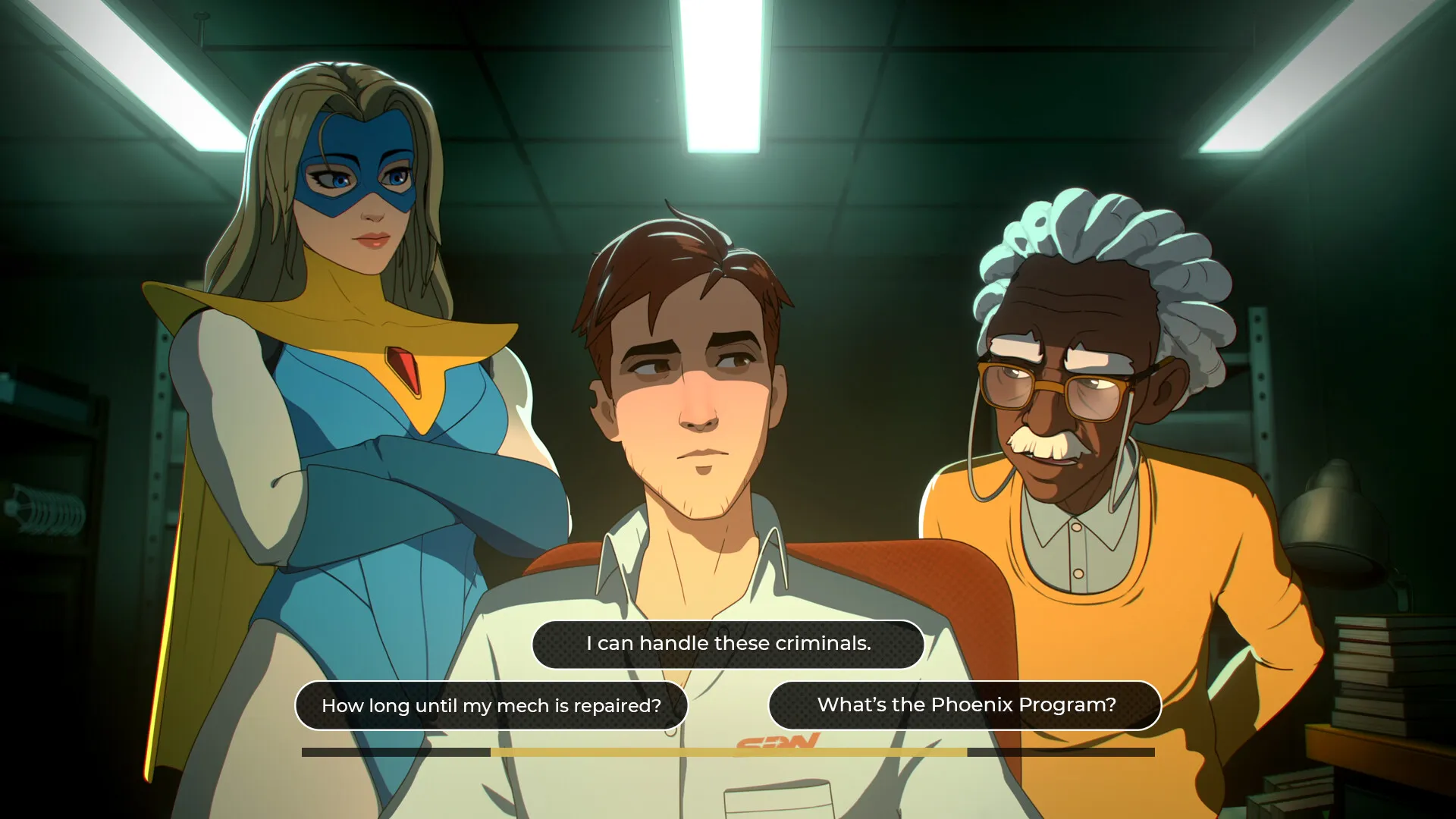
The opening hours of Dispatch serve as both an introduction and a test. While the game teaches mechanics gradually, early decisions still shape how characters perceive you and how future situations unfold.
Focus on listening carefully to dialogue cues and mission briefings. Information is often embedded in tone, urgency, and phrasing rather than explicit instructions. Rushing decisions without understanding the context can create long-term complications.
H3 Early Priorities
Build trust and learn each hero’s strengths.
H4 Common Beginner Errors
- Ignoring character personalities
- Overcommitting heroes
- Making decisions too quickly
H2 3. How to Manage Heroes and Their Unique Abilities
Each hero in Dispatch has distinct skills, limitations, and emotional states. Assigning the right hero to the right task is one of the most important aspects of the game.
Beyond abilities, heroes also react emotionally to your leadership. Repeatedly sending the same hero into dangerous situations can lead to burnout, resentment, or mistakes. Balanced deployment is essential for long-term success.
H3 Hero Management Basics
Abilities determine effectiveness, emotions determine reliability.
H4 Team Balance Tips
Rotate heroes and respect their limits.
H2 4. How to Evaluate Emergencies and Make Fast Decisions
Emergencies in Dispatch are rarely straightforward. Limited information, time pressure, and conflicting priorities force you to act without full certainty. Learning how to quickly evaluate situations is a core skill.
Look for hidden variables such as civilian density, political consequences, and public perception. Some missions are less about stopping damage and more about controlling fallout.
H3 Emergency Assessment Method
Identify risk, urgency, and potential escalation.
H4 Decision-Making Checklist
- What is the worst-case scenario?
- Who is best suited emotionally and skill-wise?
- What can be sacrificed if necessary?
H2 5. How to Handle Stress, Fatigue, and Burnout
Dispatch places heavy emphasis on mental and emotional strain. Heroes are not infinite resources, and pushing them too hard leads to mistakes and breakdowns.
You must recognize warning signs early. Fatigued heroes may hesitate, fail objectives, or react negatively to your orders. Preventing burnout is often more effective than dealing with its consequences.
H3 Stress Indicators
Irritability, reduced performance, emotional responses.
H4 Burnout Prevention Strategies
Schedule rest and avoid repetitive high-risk assignments.
H2 6. How to Navigate Dialogue and Narrative Choices
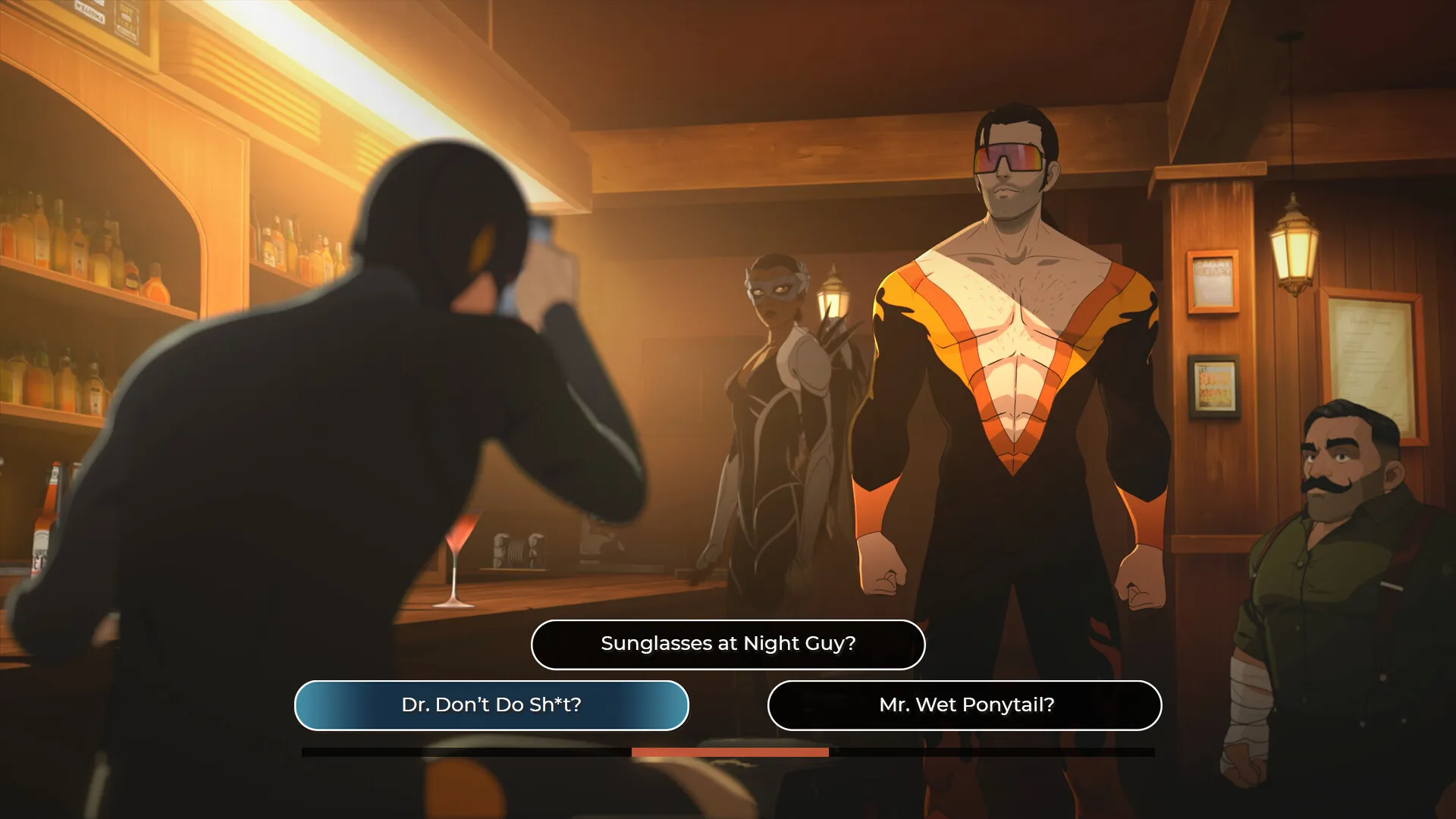
Dialogue in Dispatch is not filler; it is a gameplay system. Conversations shape relationships, unlock future options, and influence how characters respond under pressure.
Pay attention to how characters phrase their concerns. Often, what is not said matters as much as what is said. Thoughtful dialogue choices can de-escalate conflicts or strengthen trust.
H3 Dialogue Strategy
Listen before responding.
H4 Narrative Insight
Honesty can build trust, but bluntness can damage morale.
H2 7. How to Balance Public Image and Internal Stability
Many decisions in Dispatch affect public perception. Saving lives may come at the cost of property damage, while cautious responses can anger the public.
Balancing external approval with internal team health is one of the game’s hardest challenges. Chasing public praise alone can quietly destabilize your team.
H3 Public Image Mechanics
Media response and political pressure matter.
H4 Long-Term Strategy
Protect your team first, reputation second.
H2 8. How to Learn From Failure and Adapt Strategy
Failure is an expected part of Dispatch. Missions go wrong, heroes make mistakes, and consequences cannot always be undone. The game is designed around learning rather than perfection.
After failures, review what went wrong and adjust your approach. Adaptation is a sign of mastery, not weakness.
H3 Productive Failure
Mistakes reveal system depth.
H4 Adaptation Tips
Change deployment patterns and communication style.

H2 9. How to Unlock Deeper Storylines and Outcomes
Dispatch rewards players who pay attention to details. Certain storylines and endings only appear if you make consistent, intentional choices throughout the game.
Deep relationships, unresolved conflicts, and long-term consequences intertwine to create unique narrative paths. Exploration of these paths adds replay value.
H3 Story Unlock Conditions
Consistency matters more than single decisions.
H4 Replay Value Insight
Different leadership styles create different stories.
H2 10. How to Achieve Mastery and Complete Dispatch Fully
True mastery of Dispatch comes from understanding its systems holistically. You must balance hero management, decision-making, narrative awareness, and emotional intelligence.
Completion is not just reaching the end, but understanding why events unfolded the way they did. Master players learn to anticipate consequences rather than react to them.
H3 Endgame Focus
Strategic foresight and emotional leadership.
H4 Mastery Mindset
You are managing people, not tools.
Dispatch is a thoughtful, emotionally grounded game that challenges players to lead under pressure rather than fight on the front lines. Mastery requires patience, empathy, and strategic thinking. By learning how to manage heroes, evaluate emergencies, balance public image, and navigate narrative choices, players can experience the full depth of the game. Dispatch proves that leadership is not about control, but about responsibility—and that every decision leaves a mark.