 downloadgameh5.com
The Titan of Time Has Never Seen Anyone Die This Many Times: How Hades II Turns the Roguelike Loop Into a War on the Clock
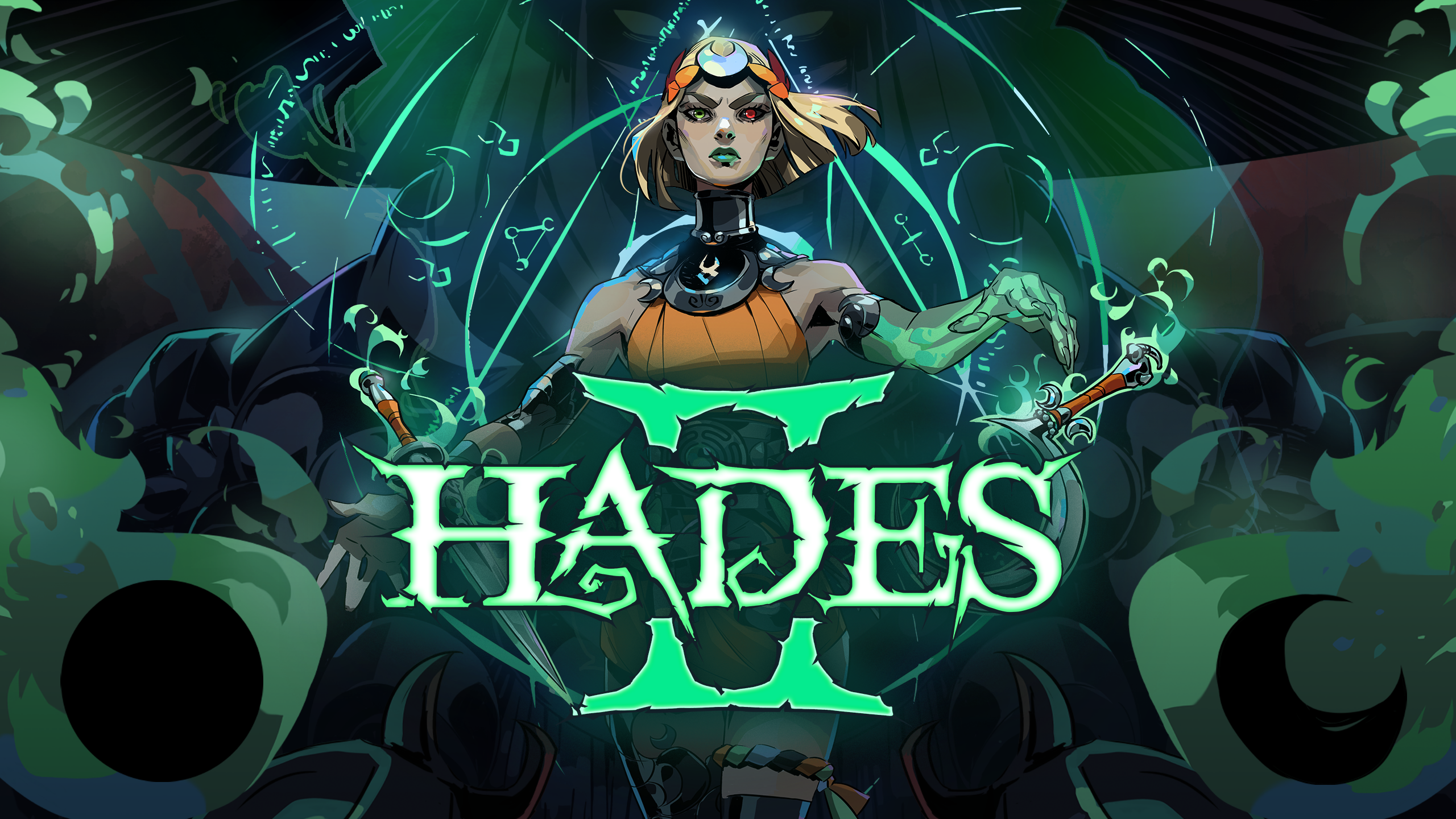
There is a joke buried in the premise of Hades II that you can miss if you are too busy dodging. The villain of the game is Chronos, the Titan of Time. He has escaped his prison, he is waging war on the gods of Olympus, and his weapon of choice is the one thing every living creature runs out of eventually. Against him stands Melinoë, the princess of the Underworld, a witch-trained fighter whose entire method for confronting him consists of failing repeatedly and coming back. She dies, she wakes up, she tries again. The genre that gave her that method is the roguelike, a form built on repetition, on the idea that every run is a fresh attempt and every failure is a lesson. Put those two facts together and a quiet thesis assembles itself. In a game whose antagonist rules time, the act of looping is not a mechanic. It is an act of defiance.
Supergiant Games released Hades II as an Early Access title in May 2024 and launched version 1.0 on September 25, 2025, bringing the full story, including its true ending, to PC and Nintendo Switch platforms. The response was enormous. The game reached roughly 113,000 concurrent players on Steam around its full release, comfortably above the original Hades’ all-time peak, and critics greeted it as a worthy and distinctive successor rather than a retread. But the usual conversation about the game, which tends to center on its art, its voice acting, and its tight combat, risks missing the idea that makes it feel so coherent. Everything in Hades II, from its structure to its economy to its story, is organized around a single question: what does it mean to spend time well when time itself is the enemy?
A Villain Made of Hours
It helps to start with the setup. In the first Hades, the Prince of the Underworld, Zagreus, tried to escape his father’s realm, and the story used death as a narrative device: every failed attempt returned him to the House of Hades, where the characters around him reacted to his defeats and the plot advanced regardless of whether he succeeded. It was a brilliant fusion of structure and story, and it set a high bar.
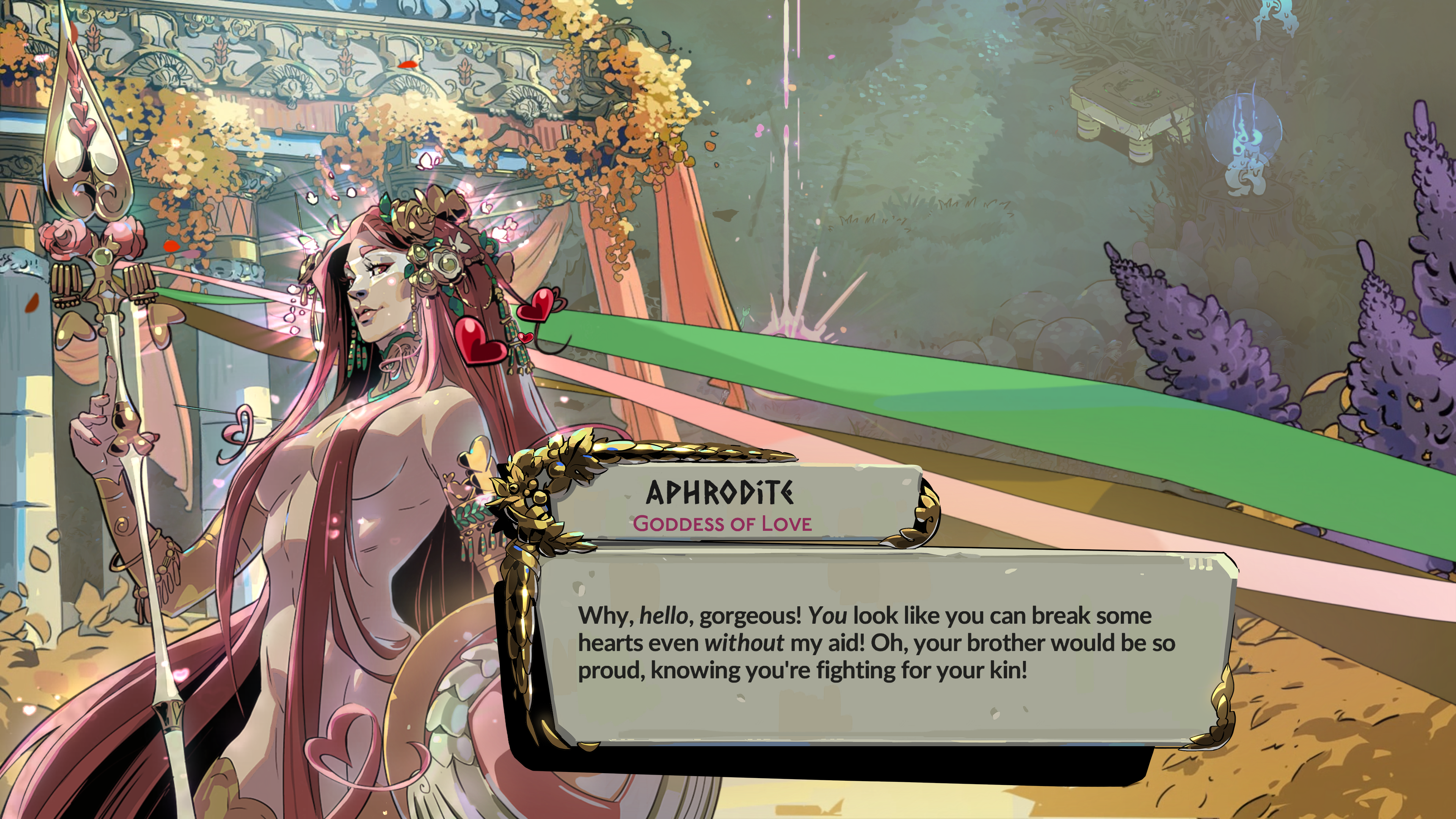
Hades II shifts the focus to his sister Melinoë and raises the stakes. Chronos has broken free, the Underworld is under threat, and Melinoë must fight her way through his forces to confront him. The Titan of Time is not a conventional villain with a single base and a pile of minions. He is a force whose domain is the passing of moments, and his presence colors the whole experience. The enemies you fight, the environments you cross, and the tone of the narrative all carry a sense of time being bent, stolen, or weaponized.
What makes this effective is that the game never lectures you about it. You do not need to read a lore entry to feel the pressure. The structure of a run, with its rooms to clear and its resources to spend, already communicates the sense of a clock bearing down on you. The story simply gives that sensation a face, and a name, and a reason.
Repetition as a Weapon
The central insight of the design is that the roguelike loop and the narrative theme are the same thing. A roguelike asks you to do the same journey over and over, learning from each attempt, and slowly becoming strong enough to prevail. In most games of the genre, this is a structural convenience, a way of generating variety from limited content. In Hades II, it is the story.
Think about what Melinoë is actually doing. She is fighting a being who commands time, and her only advantage is that she can repeat her attempts while he cannot easily stop her. Every death returns her to the Crossroads, the hub where she rests, plans, and prepares. Every return is a small victory against a villain whose power depends on endings. He wants her to be finished. The structure of the game refuses to let her be.
This gives each run a kind of moral charge that a typical roguelike lacks. When you die in a conventional game of the genre, you feel frustration, and then a resolve to try again. When you die in Hades II, the narrative frames that resolve as resistance. You are not just retrying. You are insisting that the clock does not get the final word, and the game rewards that insistence with new dialogue, new connections, and new progress.
What You Do With the Time Between
If the runs are the war, the time between them is the logistics, and Hades II invests that downtime with unusual care. The Crossroads is a living hub, full of characters who respond to your progress, offer guidance, and give the setting a sense of community. But it is also a workshop, a place where you spend the resources you have gathered to prepare for the next attempt.
This is one of the clearest differences from the first game. Melinoë can gather materials during her travels, using a set of tools to harvest plants, dig up minerals, and fish in special spots, and she brings them back to craft and to power a series of rituals performed at a cauldron. The loop expands from a simple cycle of fight, die, and spend into a richer economy of gathering, preparing, and investing. A few elements show how this changes the feel of play:

- Gathering turns downtime into foresight. Collecting materials during a run is a small bet on the future, a decision to spend a moment on something that will pay off later rather than rushing forward.
- Rituals convert patience into power. The cauldron’s incantations let you invest resources into permanent improvements and conveniences, giving each attempt a sense of cumulative progress.
- Crafting makes the loop tangible. Instead of abstract numbers going up, you build and unlock things that change how the hub looks and how your runs can unfold.
The effect is subtle but important. Time in Hades II is not something that simply passes. It is something you spend, deliberately, on preparation, and the game makes that spending visible. Every resource you carry home is an hour you have decided not to waste, and the structure quietly teaches you to see your own attempts as part of a larger campaign.
Spells, Mana, and the Shape of a Moment
Combat reinforces the same idea in a different register. Melinoë fights with a set of weapons, and she also uses magic, with a mana system that lets her cast spells, charge up powerful special attacks, and shape the rhythm of a fight. The result is a style of combat that is more deliberate than its predecessor’s, with an emphasis on timing and resource management as well as reflexes.
Mana is, in effect, another form of time. You spend it to do powerful things, and you recover it gradually, and the interplay between spending and recovering creates a pulse that shapes every encounter. A well-timed spell can turn a dangerous moment into an opportunity. A badly timed one can leave you exposed. The game invites you to think about each fight as a series of decisions about when to act and when to wait, which is exactly the kind of thinking that a story about time should inspire.
The weapons and special attacks add further variety. Melinoë has access to a range of tools, each with its own character, and the combination of weapon, spell, and boon creates a distinctive playstyle for each run. Familiars, such as an owl and a cat, accompany her and lend support, adding a note of warmth to a journey that could otherwise feel lonely. The overall impression is of a fighter who is not simply swinging a blade but orchestrating her resources against an opponent who has all the time in the world.
Boons, Prophecies, and Borrowed Power
No account of the game would be complete without the boons, the gifts from the gods that modify your abilities during a run and give each attempt its distinctive flavor. A boon might add a lightning effect to an attack, change how your dash behaves, or grant a passive bonus that reshapes your strategy. The variety is enormous, and the combinations are what make each run feel like a new experiment.
Seen through the lens of time, boons are interesting because they are borrowed power. They exist only for the duration of a run, and they vanish when it ends. Each one is a loan from an Olympian ally, a temporary advantage that must be used before it expires. That impermanence gives the experience a sense of urgency, a feeling that you are working with limited-time resources and must make the most of them.
The game complements this with systems that carry over between runs, such as a set of upgrades that make Melinoë permanently stronger and a collection of keepsakes that offer small bonuses and mark her growing relationships with the characters around her. The balance between the temporary and the permanent is carefully struck. Boons give each run its drama, and permanent upgrades give the whole campaign its momentum. Together they create a rhythm in which each attempt is both a self-contained story and a chapter in a longer one.
The People Who Remember
What gives all of this emotional weight is the cast. The characters of the Underworld and the Crossroads are vividly written and richly voiced, and they respond to your progress in ways that make the world feel alive. They notice when you fail. They comment on how far you have come. They develop, slowly, over many attempts, as if they too are living through the loop alongside you.
This is where the theme of time becomes personal. In a story about a villain who steals moments, the relationships between characters are what give those moments value. Each conversation you have, each gift you give, each shared silence in the hub is a small act of preservation, a refusal to let time erase the things that matter. The game does not announce this. It simply lets the relationships accumulate until they carry real weight.
The narrative also makes use of the structure of repeated attempts to tell its story in layers. Early conversations give way to deeper ones as you progress, and the sense of a community slowly opening up to a newcomer mirrors your own growing mastery of the game. By the time the full story is revealed, the player has spent so many hours in the company of these characters that the stakes feel personal in a way a conventional narrative could not achieve.
Where the Clock Runs Down
It would be wrong to present Hades II as flawless, and a fair review has to acknowledge where the experience wobbles. The first concern is complexity. The game layers systems on top of systems: weapons, spells, boons, familiars, upgrades, gathering, crafting, rituals. Each is well designed, but together they can feel overwhelming, especially to newcomers who have not played the first game. The tutorial support is good, but the sheer volume of things to learn can create a feeling of being behind before you have even started.
The second concern is pacing. The addition of gathering and crafting enriches the loop, but it also means that the time between runs can feel longer than in the first game. Some players will enjoy the sense of preparation. Others will feel that the game is asking them to do chores before they get to the part they came for. The balance between the satisfaction of building and the impatience to fight is subjective, and the game does not always strike it perfectly.
The third concern is the shadow of the original. Hades set a very high standard, and any sequel invites comparison. Hades II is different in tone and structure, with a more deliberate pace and a broader scope, and some players will miss the tightness and focus of the first game. The new game’s ambitions are admirable, but ambition has costs, and the leaner elegance of the original is something that a larger, more complex successor cannot fully replicate.
A fourth and more practical concern is the repetition itself. The roguelike structure is the heart of the experience, but it is also its main risk. Even with the variety of boons, weapons, and enemies, a long session can start to feel like a cycle, and players who prefer more linear progression may find the loop tiring. The game works hard to keep things fresh, and it largely succeeds, but it cannot entirely escape the nature of the genre.
Who Should Play It, and How
A few practical thoughts for anyone considering the game:
- If you loved the first Hades, this is a thoughtful continuation that expands the world and the mechanics without abandoning what made the original special.
- If you are new to roguelikes, the game is a welcoming introduction, though it helps to be patient with the early learning curve.
- If you enjoy story-driven games, the narrative integrates seamlessly with the structure, and the cast is among the best in the medium.
- If you prefer short, focused sessions, the run-based design suits you well, since each attempt is a self-contained experience.
- If you dislike repetition, be aware that the loop is the point. The game does a lot to vary it, but it is still a loop.
The Verdict
Hades II is a rare sequel that deepens its predecessor’s central idea rather than merely repeating it. By making the villain a lord of time, and by building its economy, its combat, and its story around the way we spend and lose moments, Supergiant has created a game in which form and meaning are almost perfectly aligned. The roguelike loop, so often a mere mechanic, becomes a statement: that persistence is a kind of power, and that coming back is an act of resistance.
It is not without its complications. The systems are dense, the pacing can wander, and the shadow of the original is long. But the achievement is real, and the experience of playing the game is one of the most engaging and emotionally resonant of recent years. Chronos may rule the passing of moments, but he has met an opponent who refuses to stay finished. Each time Melinoë wakes at the Crossroads, battered and determined, the game makes a small and stubborn argument: that the clock can take a great deal from us, but it cannot take the next attempt. That argument, repeated over dozens of hours, is the reason the game lingers, and the reason so many players keep coming back to try just one more run.