Speedrunning: How It Redefined Gaming and Esports
The Rise of the Fastest Gamers
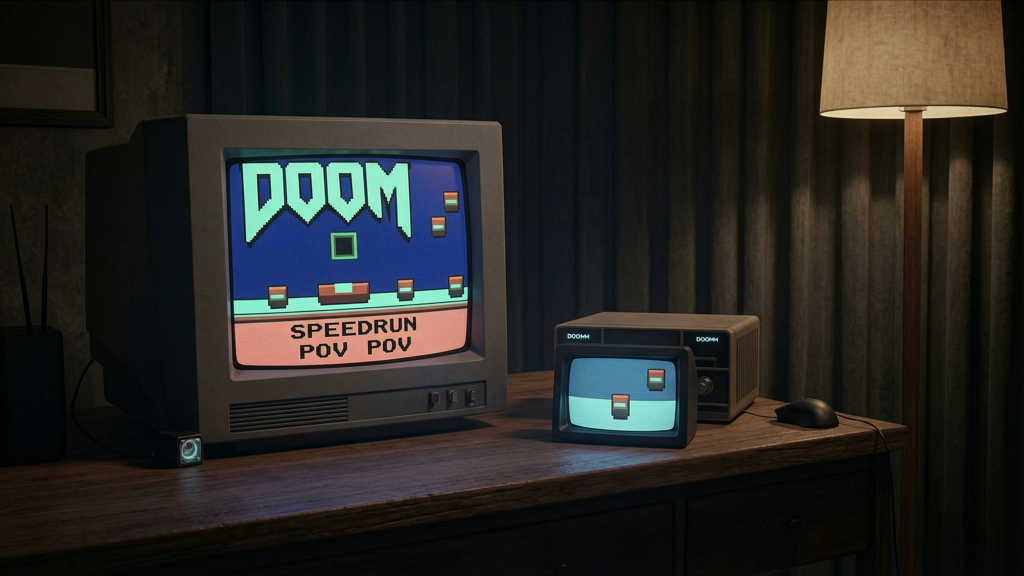
Speedrunning—the art of beating a game as quickly as possible—has become one of the most fascinating corners of gaming culture. What started as a handful of Doom players uploading grainy videos in the 1990s has evolved into a multi-million-view spectacle, complete with world records, charity marathons, and even TV coverage. But how did we get here, and why do millions of people love watching someone else play a game they already know backwards and forwards?
The Humble Beginnings
The first speedruns were not official categories—they were just players pushing the boundaries of what was possible. Doom's PC demo recordings and Quake's timed levels laid the groundwork, but it wasn't until the rise of YouTube and Twitch that speedrunning truly exploded. Players could share routes, glitch discoveries, and frame-perfect tricks like never before. The early 2000s brought communities like Speed Demos Archive, and soon every popular game had a leaderboard, a dedicated runner, and a proven fastest time.
Communities Built on Collaboration
Speedrunning is famously open-source. Runners share strategies openly, spend hours researching every pixel, and constantly one-up each other with new skips or better execution. Sites like speedrun.com now catalog tens of thousands of games, each with multiple categories: Any%, 100%, glitchless, low%—something for every taste. Official communities around specific games often have Discord servers where newcomers can ask for advice and veterans post updated routes. It's a culture built on collaboration, not just competition.
GDQ and the Charity Boom
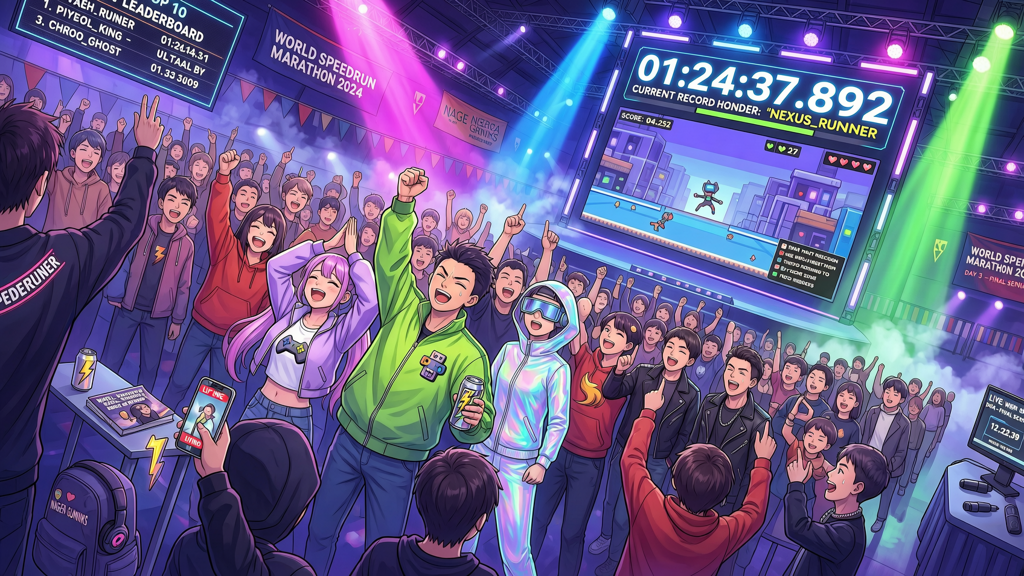
No discussion of speedrunning is complete without Games Done Quick. What began as a small charity marathon in 2010 has become a bi-annual event raising tens of millions of dollars for organisations like Doctors Without Borders and the Prevent Cancer Foundation. GDQ showcases some of the best runners on Earth, with hilarious commentary, intense world record attempts, and the kind of good vibes that make you forget you're watching someone skip half of a 20-hour RPG. In many ways, GDQ is the public face of speedrunning—a welcoming, positive community that proves gaming can be a force for good.
Why We Love Watching Speedruns
There's a unique thrill in watching someone beat Super Mario Bros. in under five minutes or perfectly execute a frame-perfect trick in Celeste. It's not just about seeing the game end quickly; it's about admiring the enormous skill, dedication, and creativity on display. Speedrunners turn games into puzzles, exploiting glitches and manipulating RNG with a level of mastery that most players could never imagine. Plus, the commentary is often hilarious, and the community's love for the games is infectious—you'll find yourself interested in games you've never even played.
Getting Started: A Beginner's Guide
If you want to try speedrunning yourself, here are a few tips to get started:
- Pick a game you love: You'll be playing it hundreds of times, so make sure it's one you already enjoy and know well.
- Start with an easier category: Look for a glitchless or 100% category that doesn't require frame-perfect tricks. Gradually work up to glitch-heavy runs.
- Watch world record runs: Study how the top runners play, but don't try to copy them immediately. Focus on learning the basic route first, then improve your execution.
- Join a community: Visit the game's speedrun.com page and join its Discord. Runners are usually happy to help newcomers and answer questions.
- Use a timer and splits: Simple software like LiveSplit lets you track your progress and identify where you lose time. It's essential for improvement.
The Future of Speedrunning
Speedrunning is far from slowing down. Twitch and YouTube have made it possible for anyone to broadcast their attempts, and in-person events like ESA and SGDQ attract thousands of fans. Some speedruns have even appeared on mainstream TV shows and news outlets. Esports organisations are starting to take notice, offering sponsorships to top runners, though speedrunning remains refreshingly grassroots at heart. With modding communities and randomiser modes adding infinite variety, there's no end to the creative ways players can break and re-break their favourite games.
Whether you're a seasoned runner or just a curious viewer, speedrunning offers a new way to appreciate the games you love. It's a living, breathing history of gaming—one where every world record is a reminder that there's always a faster path, a smarter skip, and a community ready to celebrate it.