.webp)


Introduction
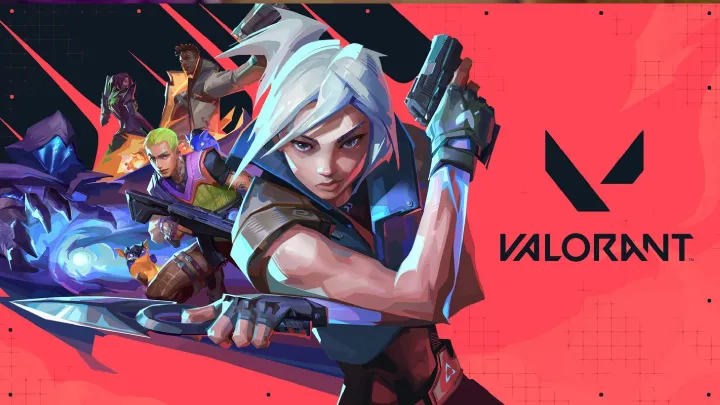
Valorant has established itself as one of the most successful tactical shooters in modern esports. Developed by Riot Games, the game combines precise gunplay with agent abilities, creating a competitive environment where teamwork, communication, and mechanical skill determine victory. Since its launch, Valorant has attracted millions of players ranging from casual gamers to professional competitors.
Among the many challenges facing the game, one issue has consistently sparked debate across all ranks: smurfing. Unlike balance changes, map rotations, or agent reworks, smurfing directly impacts the competitive experience of ordinary players. A smurf account is typically an alternate account used by a highly skilled player to compete against lower-ranked opponents, often resulting in unfair matches.
This article explores the smurfing problem in Valorant in depth, examining its origins, its effects on matchmaking, its impact on player psychology, and the ongoing struggle to preserve competitive integrity.
Understanding Smurfing in Valorant
What Is a Smurf Account?
A smurf account is an alternate account used by a player whose actual skill level is significantly higher than the rank assigned to that account. In Valorant, this often means an Immortal or Radiant player competing in Silver, Gold, or Platinum lobbies.
The term existed long before Valorant, but the game's ranking system has made the issue especially visible. Since rank progression is one of Valorant's core motivations, any mismatch in skill level can drastically alter match quality.
Different Types of Smurfs
Common Categories
- High-ranked players playing with lower-ranked friends
- Content creators seeking entertaining gameplay
- Players avoiding long queue times
- Individuals recovering from bans
- Players intentionally dominating weaker opponents
Not all smurfs have malicious intentions, but the effect on match fairness is often the same.
The Early Days of Valorant and the Growth of Smurfing
Launch Period Expectations
When Valorant launched, players were still learning maps, recoil patterns, and agent abilities. Skill differences existed, but the overall player base was relatively inexperienced.
As competitive play matured, however, a significant skill gap emerged between casual players and dedicated grinders. This created the conditions necessary for widespread smurfing.
The Expansion of Ranked Play
Over time, ranked mode became the primary way many players engaged with Valorant. Achieving ranks such as Diamond, Ascendant, Immortal, or Radiant became important personal goals.
As rank prestige increased, alternate accounts became more attractive for players seeking easier matches or less stressful gameplay experiences.
Why Players Create Smurf Accounts
Playing With Friends
The most commonly cited reason for smurfing is the desire to play with friends. Valorant's rank restrictions can prevent high-ranked and low-ranked players from queueing together.
Many experienced players create alternate accounts specifically to bypass these restrictions.
Escaping Ranked Pressure
High-ranked matches often involve significant pressure. Every mistake is punished, and opponents possess strong mechanical skills.
Some players create lower-ranked accounts simply because they want a more relaxed environment. Unfortunately, this relaxation for one player often creates frustration for nine others.
Content Creation Incentives
Social media has introduced another motivation. Videos featuring 40-kill matches or dramatic rank climbs often attract large audiences.
Some creators intentionally use lower-ranked accounts because dominant performances generate more engagement than evenly matched games.
How Smurfing Disrupts Matchmaking Accuracy
The Goal of Ranked Systems
A ranking system exists to place players against opponents of similar ability. Ideally, every match should provide a roughly equal chance of victory.
When a smurf enters a lower-ranked lobby, this principle breaks down.
Skill Compression Problems
A single highly skilled player can influence an entire match. Tactical shooters are particularly vulnerable because one player can eliminate multiple opponents within seconds.
As a result, matchmaking data becomes distorted. Lower-ranked players may lose rating despite performing reasonably well against an opponent who never belonged in their rank bracket.
Consequences
- Unfair victories
- Unfair defeats
- Inaccurate rank progression
- Reduced confidence in matchmaking
- Higher player frustration
The Psychological Impact on New Players
Learning Becomes More Difficult
New players expect mistakes and losses. These experiences are essential for improvement. However, there is a significant difference between losing to a similarly skilled opponent and losing to a disguised Radiant player.
In many cases, lower-ranked players cannot even identify what they did wrong because the skill gap is so extreme.
Loss of Motivation
Repeated encounters with smurfs can create the impression that improvement is impossible. Players may believe the matchmaking system is fundamentally broken.
When effort no longer appears connected to progress, motivation declines rapidly.
Common Reactions
- Avoiding ranked mode
- Playing fewer matches
- Quitting the game entirely
- Developing ranked anxiety
- Becoming toxic toward teammates
Smurfing and Competitive Integrity
The Foundation of Fair Competition
Competitive integrity means every participant competes under fair and consistent conditions. This principle is essential in esports.
Players accept losing when they believe the match was fair. They become frustrated when they believe the outcome was predetermined.
Why Smurfing Feels Different From Cheating
Smurfing is not technically the same as cheating because the player is not using unauthorized software. Nevertheless, many players perceive smurfing as similarly harmful.
The practical result can be identical: one player possesses an overwhelming advantage that disrupts normal competition.
The Role of Account Progression Systems
Fast Rank Recovery
Valorant's ranking system attempts to identify skilled players quickly. Accounts that consistently dominate opponents often receive accelerated rank gains.
This mechanism helps move smurfs toward their true skill level faster.
Limitations of Detection
Despite these efforts, perfect detection remains impossible. Some players intentionally perform inconsistently to remain in lower ranks longer.
Others create multiple accounts repeatedly, restarting the process each time.
Challenges for Developers
- Protecting legitimate new players
- Avoiding false punishments
- Maintaining accurate rankings
- Identifying intentional deranking
- Balancing queue times
The Influence of Streaming and Social Media
Smurfing as Entertainment
Many gaming videos emphasize domination rather than competition. Audiences often enjoy watching extraordinary performances.
This creates incentives for content centered around low-rank matches.
Community Perception
When influential creators normalize smurfing, community attitudes may shift. New players sometimes view smurfing as acceptable because respected personalities engage in similar behavior.
The issue becomes cultural as well as technical.
Long-Term Effects
Over time, repeated exposure can weaken community expectations regarding fair competition.
This makes enforcement more difficult because players no longer agree on where the ethical boundaries should exist.
Riot Games’ Efforts to Combat Smurfing
Matchmaking Improvements
Riot Games has implemented numerous systems designed to identify unusually skilled accounts. Performance metrics, win rates, and hidden matchmaking ratings all contribute to player evaluation.
These systems attempt to move smurf accounts upward as rapidly as possible.
Account Verification Measures
Various verification methods have been discussed throughout the competitive gaming industry, including phone verification and stricter account requirements.
Such measures can reduce account creation abuse but may also create barriers for legitimate players.
Potential Solutions
- Improved hidden MMR detection
- Phone number verification
- Stronger account progression requirements
- Enhanced behavioral monitoring
- Faster rank calibration systems
The Future of Ranked Valorant
Balancing Accessibility and Fairness
The challenge facing Valorant is not simply eliminating smurfing. The real challenge is reducing it while maintaining accessibility for millions of players.
Overly restrictive systems may discourage new users, while weak systems allow smurfing to continue.
A Community Responsibility
Technology alone cannot solve the problem. Community attitudes also play an important role. Players, content creators, and organizations all influence competitive culture.
If fair competition becomes a shared priority, smurfing may gradually lose its social acceptance.
What Healthy Ranked Play Requires
- Trust in matchmaking
- Accurate rank representation
- Consistent enforcement
- Positive community standards
- Continuous developer support
These elements together create an environment where skill progression feels meaningful and rewarding.
Conclusion
Valorant remains one of the most competitive tactical shooters in modern gaming, but the persistent issue of smurfing continues to undermine the ranked experience for many players. While alternate accounts are often created for understandable reasons, their impact on matchmaking extends far beyond the intentions of individual users.
Smurfing distorts rank accuracy, creates frustrating matches, slows the development of newer players, and weakens trust in the competitive system. The issue is particularly damaging because it affects the very foundation of ranked play: the expectation that every player competes against opponents of comparable skill.
Although Riot Games continues to improve detection systems and matchmaking algorithms, a complete solution remains difficult. Long-term success will require a combination of technical innovation, effective enforcement, and a community culture that values fair competition.
Ultimately, preserving competitive integrity is essential for Valorant's future. Players invest countless hours into improving their skills, and ranked matches must remain a place where success is earned through genuine progression rather than distorted by hidden skill disparities.