






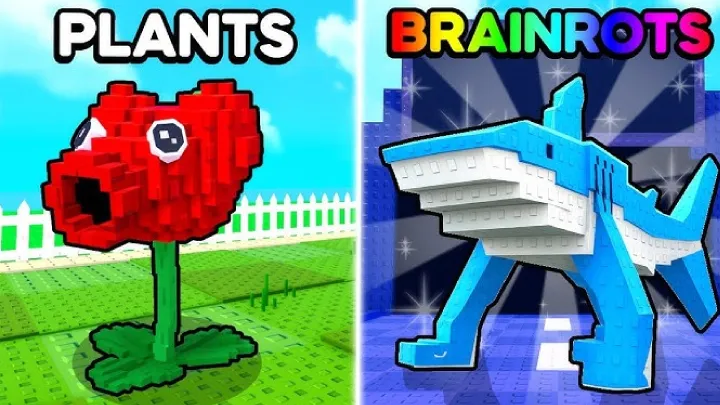
In the vibrant world of Roblox, Plants vs. Brainrots has emerged as a popular title that adapts familiar mechanics from the Plants vs. Zombies franchise while offering new twists suited for the platform. Players engage in strategic tower defense gameplay where they plant various flora to fend off waves of brain-hungry zombies. However, one significant issue that has come to the forefront is the balancing of difficulty levels. As players progress, the challenge can feel overwhelming, leading to frustration rather than enjoyment. This article explores the dynamics of gameplay in Plants vs. Brainrots, examining how challenge levels impact player experience, engagement, and overall satisfaction.
Introduction to Plants vs. Brainrots
A Unique Take on Tower Defense
Plants vs. Brainrots brings a unique flair to the traditional tower defense genre by incorporating various plants, each with distinct abilities and attributes tailored to counter different types of zombies. As players strategically place their plants, they must prepare for the onslaught of zombies, navigating through increasingly complex levels. The game builds on nostalgic gameplay elements while infusing new mechanics that resonate with the ever-expanding Roblox community.
Exploring the Challenges of Difficulty Levels
While the game's design encourages strategic thinking and planning, players often encounter challenges regarding the difficulty levels presented throughout Plants vs. Brainrots. The combat scenarios can shift from engaging to overly punishing, particularly at advanced stages. This variability in challenge levels raises concerns about player retention and satisfaction, forcing us to examine how difficulty impacts the overall gaming experience.
Understanding the Gameplay Mechanics
Plant Abilities and Functions
At the core of Plants vs. Brainrots are its diverse range of plants. Each plant type has unique abilities, ranging from offense to defense, addressing various zombie threats. For instance, some plants may deal heavy damage but have limited range, while others may provide crowd control or healing benefits. This diversity encourages strategic combinations that meld various gameplay styles.
Zombie Types and Threat Levels
Conversely, the game introduces a myriad of zombie types, each presenting unique challenges. From the basic zombies that lumber slowly toward the player's defenses to more advanced variants with special abilities, players must continuously adapt their strategies. This variety keeps the gameplay fresh but can become overwhelming if difficulty levels are not well calibrated.
The Balance Between Fun and Frustration
Essential Gameplay Balance
The balance between fun and frustration is critical in any game, particularly in Plants vs. Brainrots. Players seek engaging challenges that prompt them to think critically while still feeling a sense of progression. If a level is overly complex or punitive, it may lead to disheartenment, pushing players away rather than inviting them to further engage.
Indicators of Difficulty Imbalance
Many players have noted moments when the difficulty spikes abruptly, particularly during mid- to late-game levels. These power surges of zombie hordes can feel insurmountable, especially for newer players or those who haven't grasped optimal strategies. Difficulty imbalance can lead to increased downtime between attempts, substantially reducing the overall fun factor.
Community Concerns and Feedback
Gathering Player Insights
Player feedback serves as a vital resource for understanding the balance of challenge in Plants vs. Brainrots. The game’s community has openly shared their frustrations via forums, Roblox discussions, and gameplay videos. Insight from these discussions highlights specific levels where the difficulty seems misaligned with plant availability and player skills.
Suggestions from the Community
Many players have suggested system adjustments, such as incremental scaling of difficulty rather than sudden spikes. A gradual increase in challenge could allow players to adapt without overwhelming them, fostering a rewarding experience as they progress. Incorporating a feedback loop from the community can aid developers in establishing a more balanced gameplay trajectory.
The Impact of Progression Systems
Reward Mechanisms in Gameplay
Progression systems often serve as motivation for continued gameplay. In Plants vs. Brainrots, players earn upgrades, plant unlocks, and currency needed to enhance their defenses. These elements can create a sense of accomplishment, but they are intertwined with challenges, impacting players' perseverance through difficult segments.
Effect of Difficulty on Progression
When players feel thwarted by insurmountable challenges, they may disengage from the progression systems entirely. If they consistently face defeat without adequate rewards or learning opportunities, players could feel discouraged—effectively stifling interest in further play. Ensuring that rewards are accessible and tied to manageable challenges is essential for maintaining engagement.
Strategies for Balancing Difficulty
Implementing Gradual Difficulty Scaling
One proposal for improving gameplay involves the gradual scaling of difficulty. Rather than forcing players to confront a wave of formidable enemies, developers could incrementally introduce stronger zombies as players advance through levels. This approach encourages skill development and knowledge acquisition without overwhelming newcomers.
Additional Difficulty Settings
Introducing customizable difficulty settings could also cater to various skill levels. These may include options for casual players seeking a relaxed atmosphere or hardcore players craving an intense challenge. Allowing players to adjust the experience based on their preferences will lead to heightened enjoyment.
Training Modes: Helping New Players
Creating introductory training modes or guided tutorials would benefit newcomers, allowing them to practice strategies and plant combinations without the pressure of a full game. Providing a safe space for learning can significantly enhance player readiness when transitioning to standard gameplay.
Enhancing Player Engagement through Co-op Modes
Incorporating Collaborative Play
Cooperative gameplay elements can revamp the player experience in Plants vs. Brainrots. By introducing features that let players team up with friends or family members, the intensity of difficult levels can be mitigated through collaboration rather than individual pressure. The presence of teammates may add strategic depth and enjoyment, fostering engagement.
Supportive Mechanisms in Co-op Modes
Team dynamics in cooperative modes should allow for shared responsibilities, where players can specialize in planting specific flora or managing resources. This collaborative approach not only eases the difficulty of challenging levels but also enhances the social aspect of gameplay—the spirit of community and teamwork can transform frustrating scenarios into enjoyable experiences.
Leveraging Community Events and Seasonal Content
Dynamic Challenges and Events
The incorporation of dynamic challenges and limited-time events can enrich gameplay, providing fresh objectives that engage players regularly. Temporary challenges designed around difficulty variations can encourage players to tackle actively 'easier' challenges while still benefiting from special rewards.
Building a Community Through Events
Seasonal and community events excite player engagement and foster a sense of belonging. Players can collaborate globally, unlocking collective goals and addressing challenges as a united front. This collaborative energy boosts retention and excitement surrounding Plants vs. Brainrots.
Addressing Technical Issues and Game Performance
Ensuring Optimal Performance
Technical issues can severely impact gameplay, particularly during critical moments of combat. Lag or bugs during intense battles can exacerbate the perception of unmanageable difficulty, leading players to feel even more frustrated when challenges arise.
The Necessity for Regular Updates
Frequent quality-of-life updates focused on optimizing gameplay performance can resolve issues promptly, improving the overall experience. Developers must actively monitor gameplay and address any technical concerns that arise, ensuring that players always engage in smooth, enjoyable play sessions.
Conclusion
Plants vs. Brainrots captures the fun essence of tower defense gameplay while navigating the complexities of difficulty balance. By understanding player frustrations and integrating community feedback, developers can refine the experience, fostering enjoyment and engagement for players of all skill levels. Implementing gradual difficulty scaling, collaborative play options, and focused updates can transform challenging moments into rewarding experiences. As players continue to explore vibrant landscapes and evolve their strategies against relentless zombies, the game offers an enjoyable journey filled with excitement, if balanced effectively.