.webp)
x games have experienced a development journey as turbulent as Hytale. First announced in 2018 with massive hype and comparisons to Minecraft, the game quickly became one of the most anticipated sandbox RPGs in the world. However, what followed over the next several years was a dramatic cycle of delays, engine rewrites, corporate ownership changes, cancellation rumors, and ultimately a surprising revival.
The most important news issue surrounding Hytale today is not a gameplay feature or a patch update — it is the unprecedented development timeline that took the game from massive hype, to near cancellation, and finally to a revived Early Access launch in 2026. Understanding this timeline is crucial for players because it explains why the game took so long, what features are currently available, and how the developers plan to support it in the future.
This article explores that story in detail, organized chronologically. From the original announcement to the technical challenges that slowed development, the shutdown of the studio, the community-driven revival movement, and the Early Access launch, every stage of Hytale’s development reveals how ambitious sandbox games are built — and sometimes nearly lost.
The 2018 Announcement That Created Massive Expectations
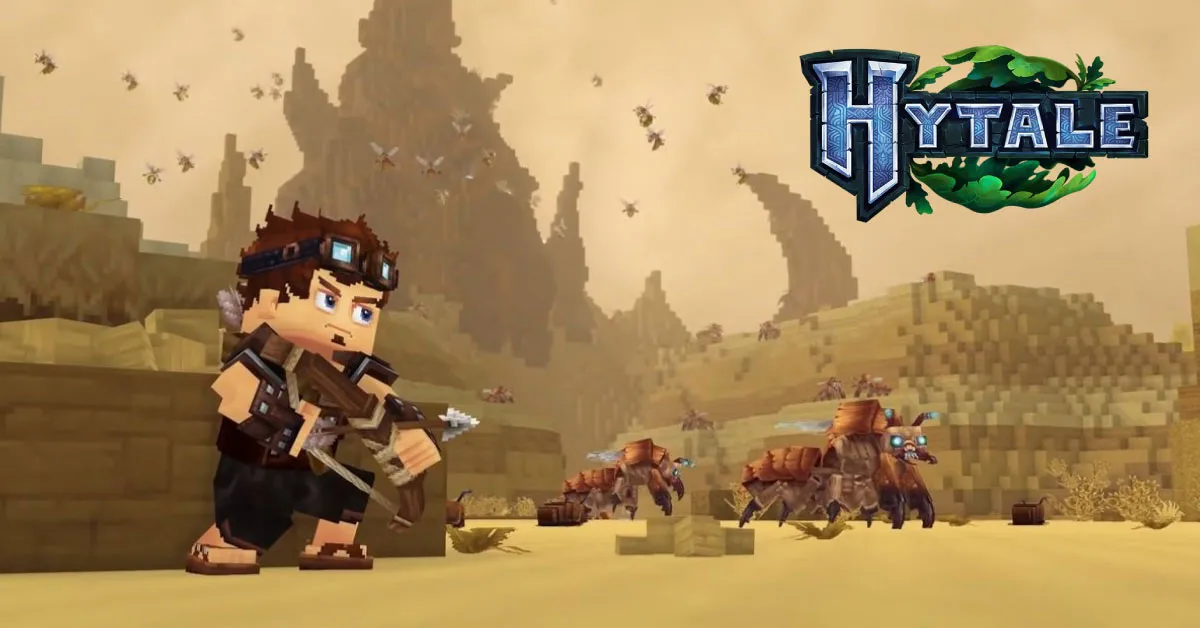
When Hytale was first revealed in December 2018, it immediately attracted enormous attention. The announcement trailer quickly spread across the internet and gained tens of millions of views within months. The game promised a combination of sandbox building, RPG-style exploration, procedural worlds, and extensive modding tools.
Players were particularly excited about the concept of Adventure Mode, a story-driven survival experience set in the world of Orbis. Unlike traditional sandbox games, Hytale planned to blend structured narrative gameplay with open-ended exploration.
Why the reveal trailer mattered
The reveal showed several features rarely combined in a single sandbox title:
• Procedurally generated fantasy worlds
• Scriptable modding tools
• Advanced creature AI
• Multiplayer minigame support
This ambitious scope made Hytale appear to be a potential evolution of the sandbox genre.
The early development vision
The original team behind Hytale came from the popular Hypixel Minecraft server community. Their goal was to build a game that combined the creativity of sandbox building with the depth of role-playing games.
At this stage, expectations were incredibly high.
Riot Games Acquires Hypixel Studios and Expands the Project
In 2020, a major industry development changed Hytale’s trajectory: Riot Games acquired Hypixel Studios. The acquisition provided the team with significant resources and funding to expand the game’s scope.
Riot intended to transform Hytale into a global platform capable of supporting massive multiplayer communities and cross-platform compatibility.
The benefits of Riot’s support
With Riot’s backing, the development team gained:
• Larger development staff
• Global infrastructure support
• Additional technical expertise
These resources allowed the project to grow beyond its original scale.
The downside of expansion
However, expanding the project also introduced complexity. More ambitious features meant longer development timelines and higher technical demands.
This expansion would later contribute to one of the most significant challenges in Hytale’s history.
The Engine Rewrite That Changed Development Forever
One of the most controversial moments in Hytale’s development came when the team decided to rewrite the game engine. Originally built using a simpler internal framework, the developers realized the engine would not support their long-term vision.
The solution was to rebuild the engine to support better performance, larger worlds, and cross-platform capabilities.
Why the rewrite was necessary
The original engine struggled with several issues:
• Performance limitations in large environments
• Difficulty supporting multiple platforms
• Restrictions on advanced rendering systems
Rewriting the engine allowed the team to improve these areas.
The cost of rewriting the engine
While technically beneficial, the engine rewrite dramatically slowed development. Projects that restart core technology often lose years of progress.
This decision contributed to the long delay between the original announcement and the eventual release window.
Years of Delays and Growing Community Frustration
Between 2019 and 2024, Hytale experienced several delays. Development updates were published occasionally, but release timelines continued shifting.
Players who initially expected a beta release around 2021 gradually realized the project was far from complete.
Community concerns during this period
Many fans worried about:
• Lack of gameplay demonstrations
• Long gaps between development updates
• Unclear release timelines
Despite these concerns, the development team maintained that they were focused on building the game correctly rather than rushing it.
Maintaining transparency through development blogs
The studio continued publishing periodic development blogs showing progress in areas like world generation, animation systems, and rendering improvements.
These updates reassured some fans but also reinforced the reality that the project was still evolving.
The Shock Announcement: Riot Cancels Hytale
In 2025, the most dramatic news in Hytale’s history occurred: Riot Games announced that development on the project would stop and the studio would be shut down.
The cancellation shocked the gaming community. After years of anticipation, the game appeared to be permanently lost.
Reasons behind the shutdown
Several factors contributed to this decision:
• Escalating development costs
• Technical complexity from engine changes
• Difficulty delivering the ambitious original vision
Despite years of work, the project had not yet reached a stable release-ready state.
The community reaction
Fans across social media platforms responded immediately with disappointment and frustration. Many players had been following the project for nearly a decade.
However, this was not the end of Hytale’s story.
The Unexpected Revival by the Original Founders
Only months after the cancellation, a surprising development occurred. Hytale’s original co-founder, Simon Collins-Laflamme, reacquired the game from Riot Games and restarted development independently.
This move effectively resurrected the project.
The new development strategy
The revived team adopted a simpler approach to finishing the game:
• Return to the earlier engine technology
• Focus first on PC release
• Expand features gradually through updates
By narrowing the scope, the developers aimed to complete the game faster.
Rebuilding the development team
More than 30 developers from the original project reportedly returned to continue working on the game.
This marked a new chapter for Hytale.
The #SaveHytale Movement and Community Support
The revival of Hytale was not only the result of internal decisions. Community support played a significant role.
Fans launched a widespread #SaveHytale campaign across social media platforms. Their goal was to convince developers and investors that interest in the project remained strong.
This movement demonstrated the power of passionate gaming communities.
How community support helped the revival
• Massive online discussions kept the game visible
• Players expressed willingness to support Early Access
• Developers saw that demand still existed
According to the developers, this community passion was one of the motivations for reviving the project.
The Early Access Launch in 2026
After the revival effort, the developers decided to release the game through Early Access instead of waiting for a full launch.
Hytale officially launched in Early Access in January 2026, allowing players to experience the core sandbox systems while development continued.
Features available at Early Access launch
The initial release included:
• Exploration mode
• Creative building mode
• Procedural world generation
• Basic modding tools
More advanced features, including full adventure content and minigame systems, are expected in future updates.
Why Early Access was chosen
Releasing the game early allows developers to gather feedback while expanding content over time.
This approach reduces development risk and improves long-term stability.
Post-Launch Updates and Development Roadmap
Following the Early Access launch, developers quickly began releasing updates and patches.
The first major update introduced gameplay improvements, bug fixes, and additional content expansions.
Key priorities for post-launch updates
Developers identified several areas for improvement:
• Performance optimization
• Expanded world content
• Additional adventure mode features
Long-term support plans
The development team has expressed commitment to supporting Hytale for many years.
Some reports suggest a roadmap extending up to a decade of updates and expansions.
What the Future of Hytale Could Look Like
Hytale’s future will likely depend on how the Early Access phase evolves. If player engagement remains strong, the game could expand significantly over time.
Several features are expected to play major roles in the future ecosystem.
Planned feature expansions
• Full adventure campaign
• Expanded modding and scripting tools
• Player-created servers and communities
These systems could transform Hytale into a long-term sandbox platform rather than a traditional single-release game.
Potential influence on the sandbox genre
If successful, Hytale may redefine expectations for sandbox RPG design by combining narrative structure with open-world creativity.