.webp)








Cyberpunk 2077 was marketed as a groundbreaking open-world RPG, promising a living, breathing city where every NPC had routines, reactions, and depth. Yet one of the most enduring criticisms of the game is its artificial intelligence (AI) and non-playable character (NPC) behavior. This article dives deeply into that issue, tracing its evolution, impact, and attempts at resolution.
The Promise of a Living City
CD Projekt Red envisioned Night City as a metropolis alive with activity. NPCs were supposed to have daily schedules, respond dynamically to player actions, and create emergent gameplay.
In reality, the city often felt like a static backdrop. Pedestrians repeated animations, lacked meaningful interaction, and failed to react believably to violence or chaos.
Launch Day Disillusionment
When the game launched in December 2020, players quickly noticed AI flaws. Pedestrians froze after gunfire, police spawned behind the player instead of arriving logically, and traffic often stalled unnaturally.
This disconnect between marketing promises and gameplay reality fueled backlash, undermining immersion and trust in the developer.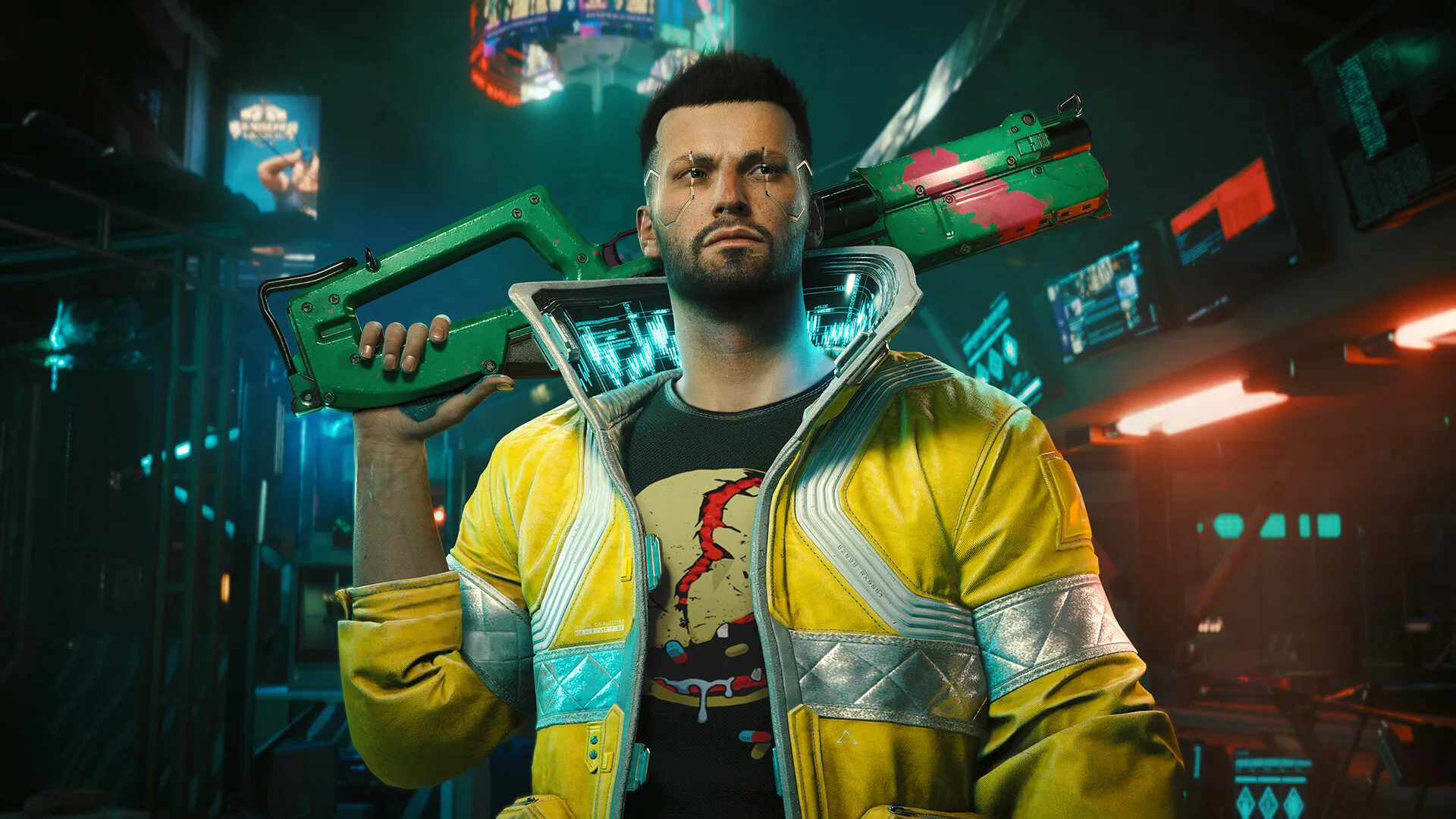
Pedestrian AI Limitations
Pedestrian AI was one of the most glaring issues. Unlike in Grand Theft Auto V, where NPCs react dynamically to violence or accidents, Cyberpunk’s pedestrians often froze, vanished, or looped simplistic animations.
This made Night City feel hollow, more like a stage populated by mannequins than a living urban environment.
Police AI and Crime Response
Police AI was another major disappointment. Crimes should have triggered escalating responses, but instead, officers teleported directly behind the player.
This artificial difficulty discouraged experimentation and roleplay, as players realized law enforcement mechanics lacked depth and consistency.
Vehicle AI and Traffic Behavior
Traffic systems were equally problematic. Cars stopped in place when obstructed, failed to navigate around obstacles, and sometimes despawned entirely.
For a game marketed as a cyberpunk simulation, the lack of convincing traffic AI was a significant immersion breaker.
Patch Efforts and Improvements
CD Projekt Red released numerous patches to address AI shortcomings. Updates improved police spawning, added varied pedestrian reactions, and refined traffic flow.
While these changes helped, many players argue the AI systems remain far behind industry standards, especially compared to older open-world titles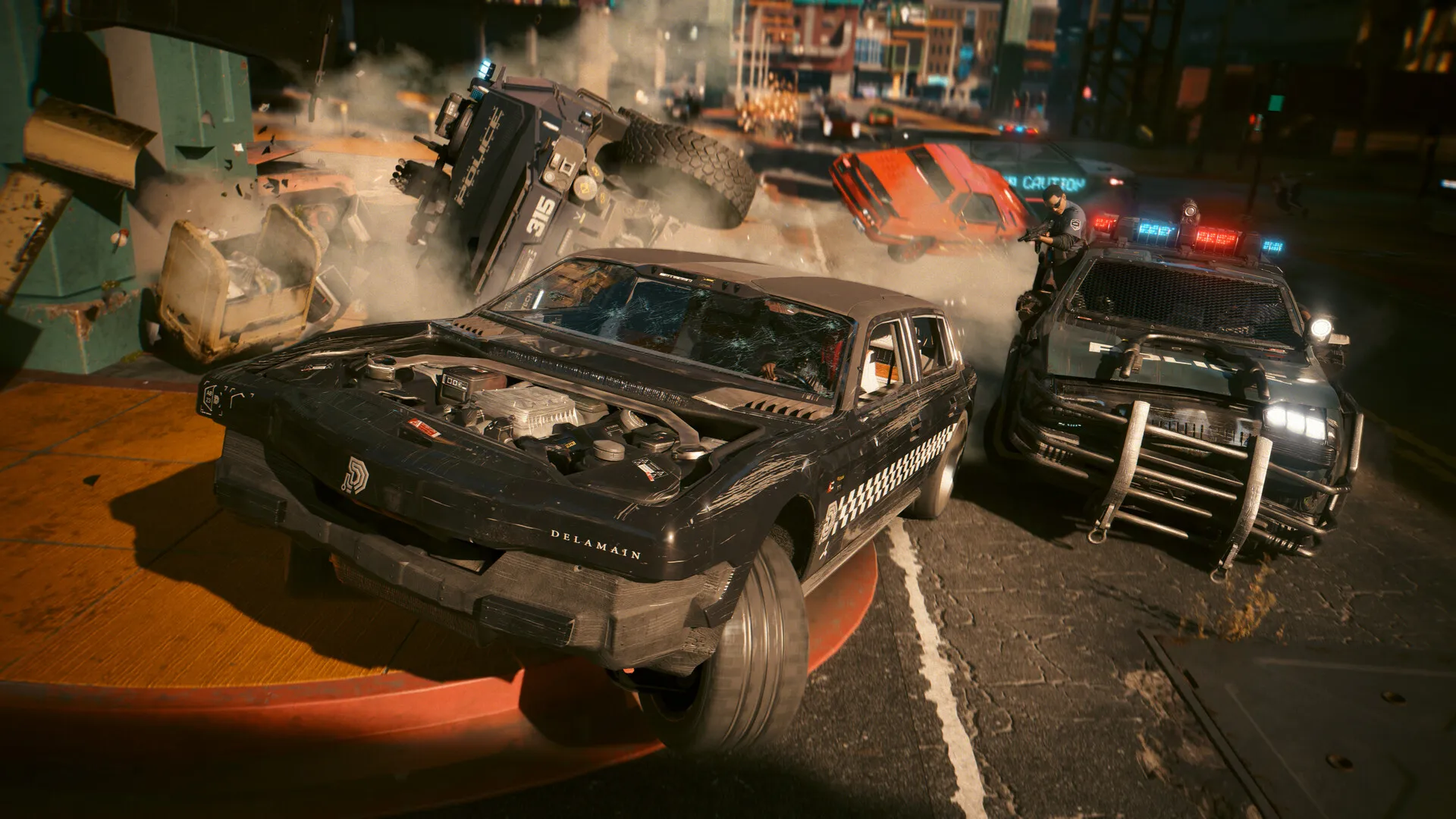 .
.
Comparisons with Other Open-World Games
Cyberpunk’s AI flaws stand out when compared to Red Dead Redemption 2 or Grand Theft Auto V. In those games, NPCs exhibit complex routines, react believably, and contribute to immersion.
Cyberpunk highlights the difficulty of balancing ambitious narrative design with technical execution in open-world environments.
Community Mods and AI Fixes
The modding community stepped in to address some issues. Mods introduced improved police chases, enhanced pedestrian behavior, and more realistic traffic systems.
These community-driven solutions show both the passion of players and the gaps left by official development.
Phantom Liberty Expansion and AI Evolution
The Phantom Liberty expansion revisited AI systems. Police responses were redesigned to include car chases, and NPC behavior became slightly more varied.
These changes marked progress, but many players felt improvements were incremental rather than transformative.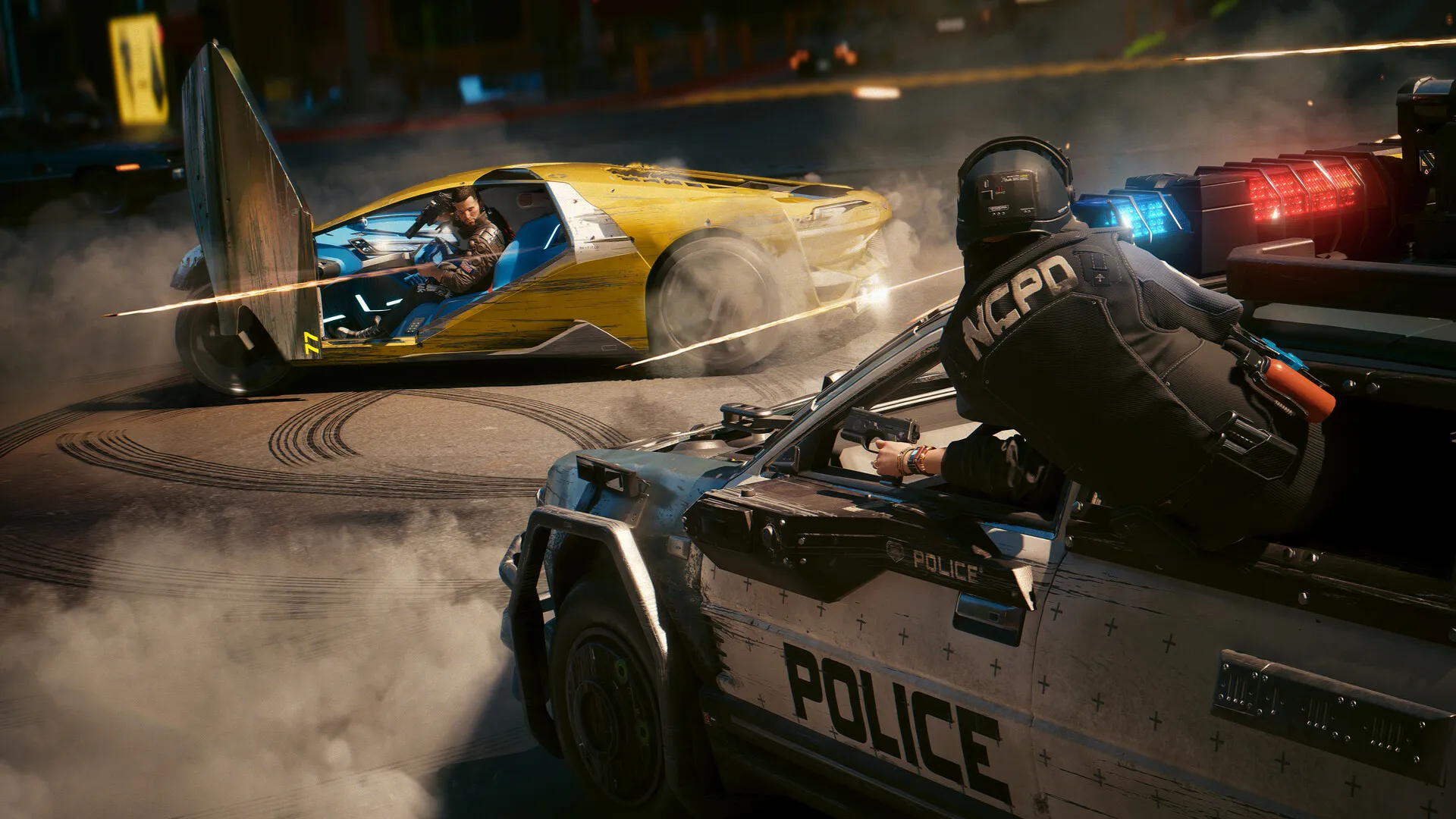
The Future of Cyberpunk AI
Looking ahead, CD Projekt Red has acknowledged the importance of systemic gameplay and promised more robust AI in future projects.
For Cyberpunk itself, ongoing patches and community mods may refine the experience, but the gap between promise and reality remains a defining aspect of its legacy.
Conclusion
Cyberpunk 2077’s AI and NPC behavior issues represent one of the most significant disconnects between marketing promises and player experience. While the game excels in narrative and atmosphere, its mechanical shortcomings in simulating a living city have left a lasting mark. The ongoing efforts to improve AI highlight both the challenges of open-world design and the importance of systemic depth in creating immersive experiences.